Pod System or Box Mod: How to Stop Guessing and Pick the Rig That Actually Works for You

Photo: Vaping360, CC BY 2.0, via Wikimedia Commons
Walking into the vaping world — or even just upgrading your current setup — can feel overwhelming fast. The shelves (and search results) are packed with sleek little pods on one side and chunky, button-covered box mods on the other. Both camps have loud, loyal fans. Both have legitimate reasons to exist. But which one is actually right for you?
Spoiler: the answer isn't about which one looks cooler or costs less. It's about your daily routine, your vaping habits, and honestly — how much fussing around you're willing to do. Let's cut through the noise.
What You're Actually Comparing
Before we pit these two against each other, it helps to understand what we're talking about.
Pod systems are compact, usually draw-activated or lightly button-operated devices that use pre-filled or refillable pods. Think SMOK Nord, Vaporesso XROS, or the ever-popular JUUL-style format. They're discreet, lightweight, and designed to be grab-and-go.
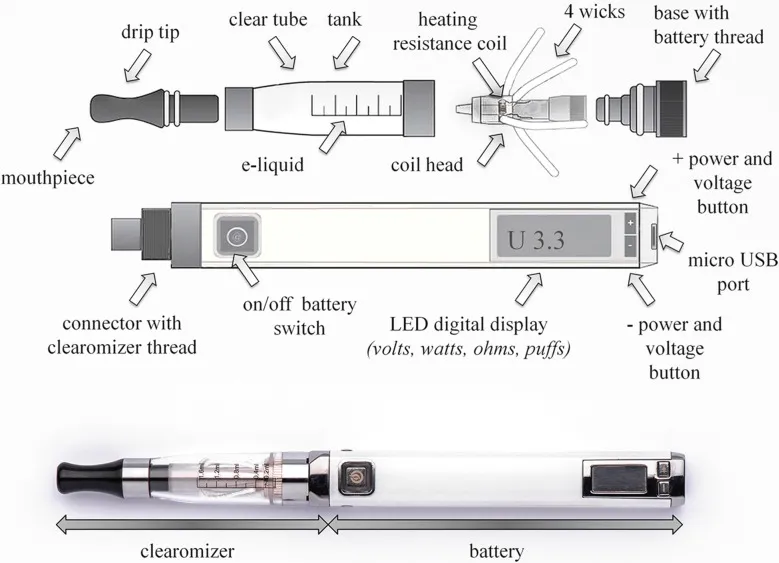
Box mods are the bigger rigs — usually paired with a separate tank, they offer adjustable wattage, temperature control, and more customization overall. Devices like the Vaporesso Gen 200 or the GeekVape Aegis series fall into this category. They're the "full kitchen" version of vaping.
Battery Life: The Everyday Reality Check
Here's where lifestyle really starts to matter. Most pod systems run on batteries between 400mAh and 1500mAh. That's honestly fine for moderate vapers, but if you're hitting your device constantly throughout a workday, you might find yourself reaching for a charging cable by mid-afternoon.
Box mods, on the other hand, typically pack 3000mAh to 5000mAh of internal battery capacity — or run on dual 18650/21700 cells that you can swap out mid-day. For heavy vapers or people who spend long hours away from an outlet (road trips, job sites, hiking), this is a genuine advantage, not just a spec on paper.
That said, pod systems have gotten much better. Many newer models charge via USB-C and hit 50% in under 30 minutes. If you're a light-to-moderate vaper who's near a charger most of the day, a pod will almost certainly keep up.
Verdict: Heavy, all-day vapers lean box mod. Casual or moderate vapers are fine with a pod.
Portability and Discretion: The Real-World Test
This one isn't even close. Pod systems win on portability by a mile. They slip into a front pocket, disappear into a purse, and don't attract a second glance. If you're vaping on a lunch break, in a parking lot, or just want something low-profile at a backyard cookout, a pod is your friend.
Box mods require a little more commitment. They're heavier, they take up more pocket space, and when you pull one out, people notice. That's not always a bad thing — plenty of vapers love the conversation starter — but it's a real consideration if you value discretion.
For commuters, office workers, or anyone who moves through public spaces regularly, the pod's compact footprint is a serious lifestyle advantage.
Cloud Production: Are You Chasing Vapor or Just Vaping?
If you've ever watched sub-ohm vapers pump out massive clouds at a vape shop, that's almost always a box mod doing the heavy lifting. High wattage + low-resistance coils + a lot of airflow = serious vapor production. Box mods let you dial wattage up into the 80W, 100W, even 200W range, which translates directly to bigger clouds and more intense throat hits.
Pod systems — especially mouth-to-lung (MTL) styles — aren't built for cloud chasing. They're built for a tighter, more cigarette-like draw. Vapor production is modest by comparison. Some newer pod mods (a hybrid category worth mentioning) close the gap a bit, but they still don't match a proper sub-ohm box mod setup.
If cloud production matters to you — whether for the experience itself or for social vaping at events — a box mod is the honest choice.
Flavor Quality: Smaller Doesn't Mean Worse
Here's something that surprises a lot of newcomers: pod systems can absolutely deliver outstanding flavor. In fact, for nicotine salt e-liquids and tighter-draw vaping, many experienced vapers argue pods offer a cleaner, more accurate flavor profile at lower wattages.
Box mods at higher power levels produce flavor differently — warmer, more expansive, and often more intense with complex freebase nicotine juices. It's not that one is better; they're delivering flavor in two distinct ways.
If you're using nic salts (which pair naturally with lower-wattage pod systems), you'll likely get excellent flavor from a pod. If you're running a 70/30 VG/PG freebase juice at 80 watts through a mesh coil tank, a box mod is where that juice is designed to shine.
Cost and Maintenance: What Ownership Actually Looks Like
Pod systems usually have a lower entry cost — starter kits often run $20 to $50 — and replacement pods or coils are simple to swap. There's minimal learning curve, and troubleshooting is usually just "replace the pod."
Box mods cost more upfront ($50 to $150+ for a solid kit), and maintaining a tank, replacing coils, managing wattage settings, and occasionally troubleshooting requires more engagement. That's not a dealbreaker — plenty of vapers enjoy the tinkering — but it's real time and effort.
So, Which One Is Actually for You?
Here's a quick gut-check:
- Go pod system if: You want something simple, portable, and low-maintenance. You use nic salts. You vape moderately throughout the day. You value discretion.
- Go box mod if: You're a heavy vaper who needs serious battery life. You love customizing your experience. You want big clouds or intense flavor from freebase juice. You enjoy the hobby side of vaping.
Neither option is universally better. The best setup is the one that actually fits your life — not just the one that looks impressive on a shelf. Start with your habits, then find the hardware that meets them where you are.