Mesh, Standard, or Ceramic Coils: Here's How to Finally Pick the Right One
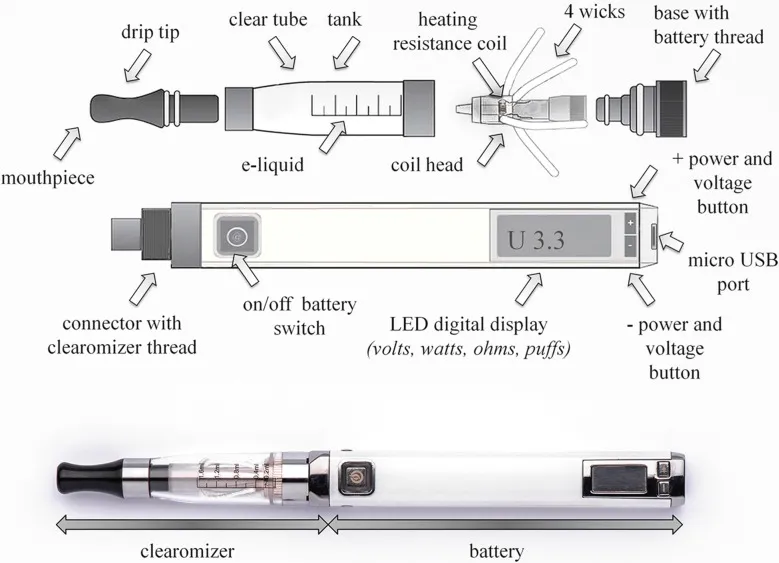
Photo: Christian Giroud, Mariangela de Cesare, Aurélie Berthet, Vincent Varlet, Nicolas Concha-Lozano, and Bernard Favrat, CC BY 4.0, via Wikimedia Commons
If you've ever stood in a vape shop staring at a wall of replacement coils, wondering what the difference actually is between the little cylinders on the shelf, you're not alone. Coil technology is one of those topics that gets glossed over a lot, but it genuinely matters. The coil inside your device determines everything from how your juice tastes to how long your hardware lasts. So let's cut through the noise.
We're going to walk through the three coil types you'll encounter most in the US market right now — standard (wire) coils, mesh coils, and ceramic coils — and give you a real-world breakdown of how each one performs.
What Even Is a Vape Coil?
Before we get into comparisons, quick refresher: a coil is the heating element inside your atomizer. When you fire your device, power runs through that element, it heats up, and your e-liquid vaporizes. Simple concept, but the design of that element changes everything about the experience.
The material, shape, and surface area of the coil all affect how quickly it heats, how evenly it distributes that heat, and how long it survives before you need to swap it out.
Standard Wire Coils: The OG That Still Holds Up
Standard coils — sometimes called round-wire or traditional coils — are what most people started with. They're built from a single wire (or a few twisted together) wrapped into a coil shape. Kanthal, stainless steel, and nichrome are the most common materials you'll find.
Flavor: Decent, especially when fresh. Standard coils can produce good flavor, but because the wire has a relatively small surface area touching your wick, heat distribution is less even than newer designs. You might notice the flavor peak early and gradually dull as the coil ages.
Longevity: This really depends on how you vape. Light, lower-wattage vapers can stretch a standard coil to two or even three weeks. Chain vapers or high-wattage users? Expect closer to five to seven days before flavor starts degrading.
Cost: Standard coils are typically the most affordable option, which makes them a solid choice if you're on a budget or still figuring out your preferences. Replacement packs are widely available and usually run cheaper than mesh or ceramic equivalents.
Best for: Beginners, budget-conscious vapers, and people who prefer a traditional vaping feel with moderate vapor production.
Mesh Coils: The Crowd Favorite for a Reason
Mesh coils took over the market in a big way over the last few years, and honestly, it makes sense. Instead of a wrapped wire, mesh coils use a flat, perforated metal sheet — think a tiny piece of screen — as the heating element. That design change has a huge impact.
Flavor: This is where mesh shines. The increased surface area means more of your e-liquid gets vaporized at once, and because the heat spreads more evenly across the mesh, you get a fuller, more consistent flavor profile. If you've ever switched from a standard coil to a mesh coil and felt like you were vaping a completely different juice — that's why.
Vapor production: Mesh coils tend to produce denser, warmer clouds compared to standard wire. If you're into DTL (direct-to-lung) vaping or just enjoy a more satisfying draw, mesh typically delivers.
Longevity: Here's the good news — mesh coils generally last longer than standard coils. The even heat distribution reduces hot spots, which are one of the main reasons coils burn out prematurely. Many vapers report getting two to three weeks of solid use from a quality mesh coil.
Cost: Mesh coils cost a bit more upfront, but the longer lifespan usually balances out. Brands like Voopoo, Smok, and Uwell have made mesh coils standard across most of their popular sub-ohm tanks.
Best for: Flavor chasers, cloud enthusiasts, and vapers who want the best bang for their buck over time.
Ceramic Coils: The Slow Burn Specialist
Ceramic coils are the most niche of the three, but they have a genuinely loyal following. The heating element is coated in — or entirely made from — porous ceramic material, which absorbs and holds e-liquid differently than metal.
Flavor: Ceramic is often described as producing the cleanest flavor of the three options. Because ceramic is chemically inert and doesn't impart any metallic taste, you get a very pure representation of your juice. This is especially noticeable with complex, dessert-style or fruit e-liquids where subtle notes matter.
Longevity: Ceramic coils are the endurance athletes of the coil world. The material is naturally resistant to burning, which means they handle high-VG juices and chain vaping better than most. Some users report ceramic coils lasting a month or more under moderate use.
Heat-up time: Ceramic takes longer to reach operating temperature than metal coils. This can result in a slightly delayed draw — something that bothers some vapers and doesn't faze others.
Cost: Ceramic coils tend to be the most expensive option, and they're not compatible with every device. They're also less widely available in physical stores, though online options are solid.
Best for: Flavor purists, vapers who use premium or complex e-liquids, and anyone who hates swapping coils constantly.
Head-to-Head: Quick Comparison
| Feature | Standard | Mesh | Ceramic |
|---|---|---|---|
| Flavor Quality | Good | Excellent | Excellent |
| Vapor Production | Moderate | High | Moderate-High |
| Longevity | 1–2 weeks | 2–3 weeks | 3–4+ weeks |
| Cost Per Coil | $ | $$ | $$$ |
| Ramp-Up Speed | Fast | Fast | Slower |
| Availability | Very High | Very High | Moderate |
Maintenance Tips That Apply to All Three
No matter which coil you're running, a few habits will extend its life significantly:
- Prime your coils. Before you fire a new coil, drip a few drops of e-liquid directly onto the cotton/wick and let it sit for five to ten minutes. Dry-firing a new coil is one of the fastest ways to burn it out immediately.
- Don't let your tank run dry. Vaping on a near-empty tank is hard on any coil type, but it's especially rough on ceramic.
- Match your wattage. Every coil has a recommended wattage range printed on it. Start at the low end and work up. Running too hot shortens coil life dramatically.
- Use compatible e-liquids. High-VG juices (70VG and above) work best with larger coil openings found in mesh and most ceramic designs. Thinner 50/50 juices are fine for standard coils.
So Which One Should You Actually Buy?
Honestly? If you're not sure where to start, go with mesh. It offers the best combination of flavor, vapor production, and longevity for most vaping styles, and it's compatible with the majority of modern tanks and pod systems on the market.
If you're a flavor nerd who vapes premium juice and doesn't mind paying a little more, give ceramic a shot — especially if you're already running a compatible device.
And if you're just getting into vaping and want to keep costs down while you figure out your preferences, standard coils are a perfectly solid starting point.
The best coil is the one that fits your device, your juice, and your habits. Now you've got what you need to make that call.