That Old Bottle in Your Drawer: The Truth About Whether Vape Juice Actually Expires
We've all been there. You're digging through a junk drawer looking for a charging cable, and you pull out a bottle of e-liquid you forgot you bought. The label says it was manufactured a couple of years ago. You shake it, sniff it, and spend the next five minutes Googling whether it's still safe to vape.
Good news: you're not alone, and the answer is more nuanced than a simple yes or no. Vape juice does change over time — but "expired" doesn't automatically mean "dangerous." Let's break down what's actually happening inside that bottle.
What's Actually in Your E-Liquid (And What Ages)
To understand shelf life, you need to know what you're working with. Every bottle of e-liquid is made up of four basic components: vegetable glycerin (VG), propylene glycol (PG), nicotine, and flavorings. Each of these behaves a little differently as time passes.
VG and PG are both incredibly stable compounds. VG is literally a food-grade ingredient used in everything from baked goods to pharmaceuticals, and PG is used as a preservative in countless products. These two base liquids can last for years without degrading in any meaningful way — they're not what you need to worry about.
Flavorings are where things get a bit more interesting. Most flavor concentrates used in e-liquid are organic compounds, and organic compounds do oxidize and break down over time. The rate depends heavily on the specific flavoring used. Some complex flavor profiles — especially ones with citrus notes or light, delicate fruit flavors — can fade noticeably faster than something like a straightforward tobacco or vanilla custard. If you've ever cracked open an old bottle and thought the flavor tasted "flat" or "muted," that's oxidation doing its thing.
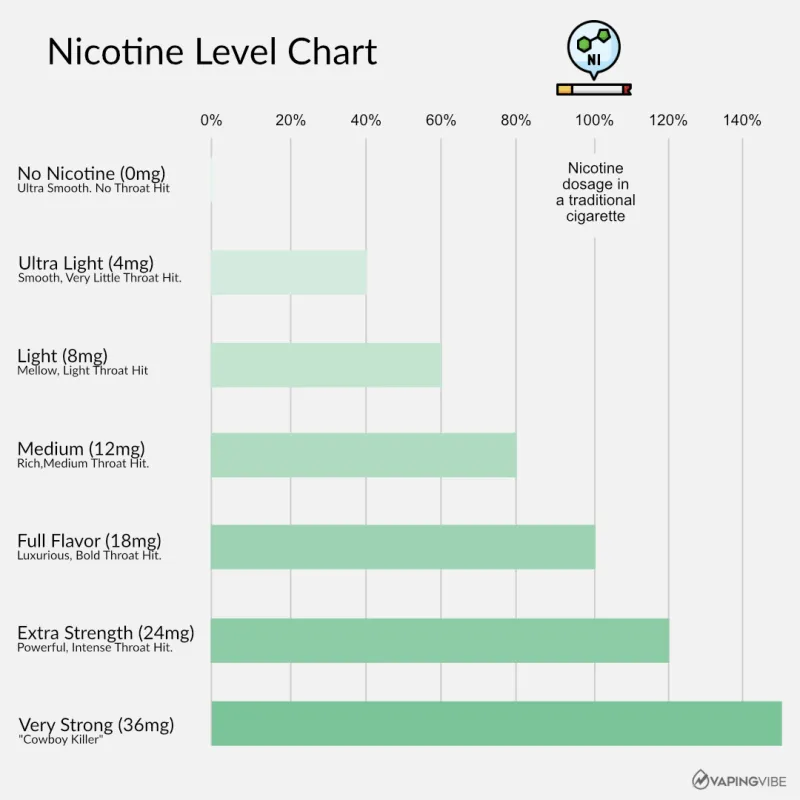
Nicotine is the most reactive ingredient in the mix. It oxidizes when exposed to air, light, and heat, and when it does, it turns from a clear or light yellow color to a darker amber or even brownish hue. Oxidized nicotine doesn't become toxic in the way that might send you to the ER, but it does lose potency and can develop a peppery, harsh taste that makes the vape noticeably less pleasant. High-nicotine liquids — especially nic salt formulas — tend to show this degradation more visibly.
What That "Best By" Date Actually Means
Most e-liquid manufacturers stamp a "best by" or "use by" date on their bottles, typically set one to two years from the production date. Here's the thing though — that date is more of a quality benchmark than a safety cutoff. It's the manufacturer saying, "We're confident the flavor and nicotine content will be at their best up to this point." It's not saying the juice magically becomes harmful the day after.
Think of it like a bag of coffee. Past the best-by date, the coffee isn't going to poison you — it's just going to taste stale and lack the punch you're after. E-liquid works similarly. The question isn't really "is it expired" but rather "is it still worth vaping?"
How to Actually Tell If Your E-Liquid Has Gone Bad
Forget the date for a second. Your senses are your best quality-control tool here. Here's what to check:
Color shift. A little darkening in a nicotine-containing liquid is totally normal and doesn't mean it's ruined. But if a juice has gone from light yellow to deep brown or murky amber, that's a sign of significant nicotine oxidation. Clear, nicotine-free liquids shouldn't really change color at all — if they do, something else is going on.
Separation that won't blend. VG and PG can separate slightly when a bottle sits undisturbed for a long time, especially in cold storage. A good shake should fix that. If the liquid still looks clumpy, cloudy, or has visible particles floating in it after a thorough shake, put it down.
The smell test. Fresh e-liquid smells like its flavor profile — sometimes intensely so. Old juice that's degraded often smells muted, off, or just vaguely chemical. Trust your nose. If it smells weird, it's probably going to taste weird.
The taste test. If everything else checks out, take a small test vape. Harsh throat hit, no flavor payoff, or a stale aftertaste are all signs the juice is past its prime. Not dangerous, necessarily — just not worth your time or your coils.
Storage Is Everything
Here's the part most people skip: how you store your e-liquid matters way more than most vapers realize. The three enemies of e-liquid are light, heat, and air — and you can dramatically extend the life of your juice by keeping all three in check.
- Keep it dark. UV light accelerates nicotine oxidation faster than almost anything else. Opaque bottles help, but even those should be kept out of direct sunlight. A drawer or cabinet is ideal.
- Keep it cool. Heat speeds up the chemical reactions that degrade flavor compounds and nicotine. Room temperature is fine for short-term storage, but if you're sitting on a stockpile, a cool, dark place — or even the refrigerator — is worth considering.
- Minimize air exposure. Every time you open a bottle, you're letting in oxygen. If you're storing juice long-term, make sure caps are on tight. Some dedicated vapers even transfer long-term stock into smaller bottles to reduce the air-to-liquid ratio.
Bottles stored under ideal conditions can stay in great shape well past their printed dates. Bottles left in a hot car or on a sunny windowsill? Those might not even make it to the date on the label.
So Should You Vape That Old Bottle?
Here's the practical answer most guides dance around: it depends on what you find when you check it.
If the color is slightly darker than you remember but the smell is still on point, give it a shake and take a small test puff. You might be surprised — plenty of well-stored e-liquids vape just fine a year or two past their best-by dates. Some vapers even argue that certain juice profiles, particularly tobacco and dessert flavors, actually improve with a little age (the same principle as steeping, just extended).
If the smell is off, the color is dramatically dark, or it tastes harsh and flat? Toss it. It's not going to hurt you in any dramatic way, but it's also not going to give you a satisfying vape — and running degraded juice through a good coil is a fast way to burn through hardware you'd rather not replace.
The bottom line is that vape juice "expiration" is less about safety and more about quality. Treat that bottle like a seasoned vaper, not a panicked rookie — check it, smell it, taste a little if needed, and make the call from there.