Stepping Down: A Sane, Realistic Plan for Cutting Back on Vaping (Or Walking Away for Good)
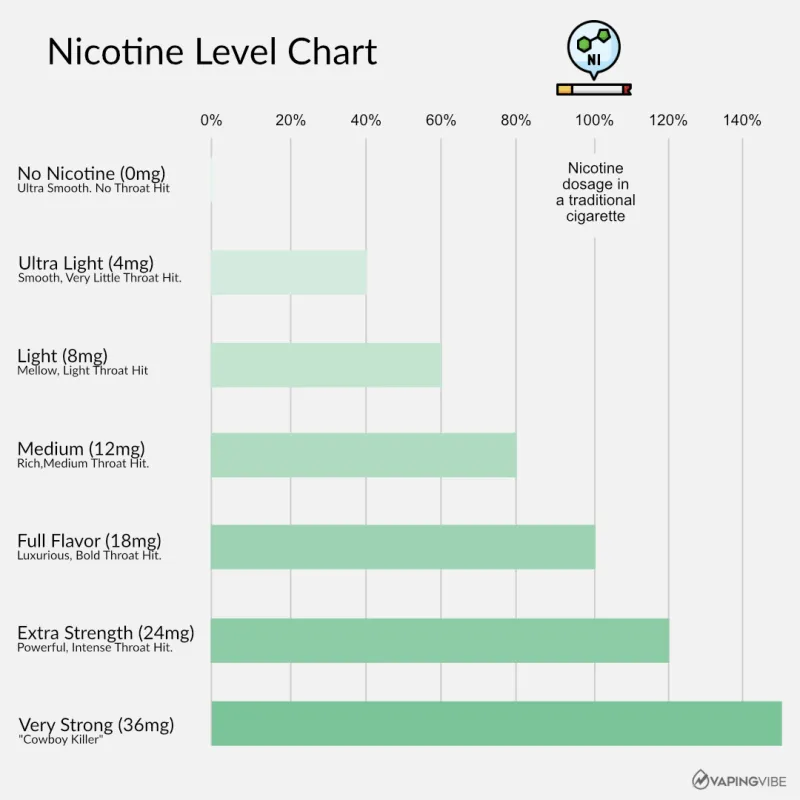
Photo: person looking thoughtfully at vape device with nicotine level chart, via vapingvibe.com
Let's get one thing out of the way right up front: this isn't a lecture. Nobody here is going to tell you that vaping is ruining your life or that you need to quit. What we will do is give you a genuinely useful roadmap if you've decided — for whatever reason — that you want to use less nicotine, vape less frequently, or eventually stop altogether.
Maybe you're thinking about your long-term health. Maybe your morning cough is getting old. Maybe you're just tired of being tethered to a device. Whatever brought you here, you're not alone, and there's no single "right" way to approach this.
First, Figure Out What You Actually Want
Before you change anything, it helps to get honest with yourself about your goal. There's a big difference between:
- Full cessation — You want to stop vaping entirely, ideally within a set timeframe.
- Harm reduction — You're okay with vaping but want to lower your nicotine dependency or switch to lower-risk habits.
- Casual cutting back — You just want to vape less throughout the day without obsessing over it.
None of these is wrong. The strategy that works for a person trying to quit in 60 days looks very different from someone who just wants to stop chain-vaping at their desk. Know your target before you start.
The Gradual Nicotine Step-Down: The Most Effective Starting Point
For most vapers, the least miserable path forward is the slow reduction method. Instead of going from 50mg nic salts to zero overnight (please don't do that), you drop your nicotine level in stages over several weeks.
A typical step-down might look like this:
- Week 1–2: Drop from your current level to the next tier down. If you're at 50mg, move to 35mg. At 25mg? Try 18mg.
- Week 3–4: Drop again. Give your body time to adjust before you push further.
- Month 2+: Continue stepping down until you're in the 3–6mg range, then eventually to 0mg if that's your goal.
The key is patience. A lot of people fail because they rush the process, feel awful, and give up. Cravings at each new level usually peak around days 3–5 and then ease off. If you can push through that window, you're generally past the worst of it.
"I went from 50mg pods to 0mg freebase in about four months. Every time I stepped down I felt it for a few days, but then my body adjusted. The last jump from 3mg to zero was honestly the easiest one." — Marcus T., Denver, CO
Switching Formulas Can Help More Than You Think
Nic salts deliver nicotine to your bloodstream faster and more efficiently than freebase nicotine — which is exactly why they feel so satisfying, and also why they can be harder to step away from. If you're currently on nic salts, switching to a freebase juice at a similar (or slightly lower) nicotine level is a worthwhile move.
Freebase hits slower and slightly harsher at higher concentrations, but that slower absorption curve actually helps break the instant-gratification loop that keeps a lot of vapers reaching for their device constantly. It's a subtle shift, but several vapers report that switching formulas made reducing feel more manageable.
Also worth considering: higher-VG blends tend to produce bigger, smoother clouds with a softer throat hit, which some people find more satisfying at lower nic levels. If you've always vaped 50/50 or high-PG juice, this might be worth experimenting with.
Identifying and Disrupting Your Triggers
Nicotine aside, a lot of vaping is habitual and situational. Most people have patterns they don't even notice — vaping every time they get in the car, right after meals, during work breaks, when they're bored, or when they're stressed.
Spend a day or two paying attention to when you're reaching for your device and why. You'll probably spot two or three consistent triggers. Once you see them, you can start replacing the behavior:
- Post-meal vaping: Try a piece of gum or a short walk instead. It sounds basic, but it works.
- Stress vaping: Deep breathing, a quick stretch, or even just stepping outside without your device can interrupt the loop.
- Boredom vaping: Keep your hands busy. Fidget tools, snacks, phone games — whatever keeps your hands occupied.
- Social vaping: This one's trickier. Being around other vapers is a genuine challenge. It's okay to step away from the situation when you're in early reduction mode.
"I didn't realize how much I was vaping on autopilot until I started tracking it. I was hitting my pod every single time I sat down at my computer. Once I saw the pattern, I could actually do something about it." — Jamie R., Austin, TX
Common Pitfalls That Derail People
We've seen the same mistakes come up over and over. Here's what to watch out for:
Going too fast. Cutting your nicotine in half overnight is a recipe for a brutal week and a quick relapse. Slow is sustainable.
Keeping your device too accessible. If your vape is sitting on your desk or nightstand, you're going to pick it up. Put it in a drawer. Make yourself walk to it. That tiny bit of friction matters more than you'd think.
Treating a slip-up like a failure. You had a tough day and vaped more than you planned. That's not the end of the plan — it's just a rough day. Reset and keep going.
Switching to cigarettes as a backup. This one should be obvious, but it happens. If you're vaping to get away from cigarettes, this is not the direction you want to go.
Skipping the mental side of it. Nicotine reduction is partly physical, but a lot of it is psychological. Apps like Smoke Free (which also works for vaping) can help you track progress and give you something to feel good about.
Harm Reduction Is a Completely Valid Goal
Not everyone reading this wants to quit. Some of you just want to be more intentional about how much you're vaping, or to get your nicotine level down to something that feels less like a dependency. That's a legitimate place to land.
If full cessation isn't your goal, even dropping from 50mg to 12mg is a meaningful reduction in nicotine exposure. Using your device less frequently, switching to a less powerful setup that delivers less vapor per puff, or simply being more mindful about when you vape are all real steps in the right direction.
You get to define what success looks like here. No one else gets to set that bar for you.
The Bottom Line
Cutting back or quitting vaping is absolutely doable — but it goes a lot smoother when you have a plan instead of just willpower. Step down gradually, understand your triggers, be patient with yourself, and don't treat this like a pass/fail test. Plenty of people have walked this road and come out the other side. You can too.