When Your All-Day Vape Stops Hitting the Same: Breaking Down Flavor Fatigue and How to Actually Fix It

You spent real money finding that perfect all-day vape. Maybe it was a creamy strawberry custard, a crisp watermelon ice, or some complex bakery blend that made you feel like you were biting into a warm donut. For the first week, every puff was a small celebration. By week four? It tastes like slightly sweet vapor and nothing else.
Welcome to one of the most frustrating quirks of vaping — flavor fatigue. It's incredibly common, it's genuinely annoying, and the good news is it's almost entirely reversible. But to fix it properly, it helps to understand what's actually happening inside your nose and brain.
It's Not Your Juice — It's Your Nervous System
Here's the thing most vapers don't realize: flavor perception isn't really about your taste buds. It's mostly about your olfactory system — the smell receptors sitting high up in your nasal passages. When you inhale vapor, aromatic compounds drift up through the back of your throat and trigger those receptors, and your brain interprets that signal as "flavor."
The problem is that your olfactory receptors are wired to respond to change, not consistency. When you expose them to the same aromatic compounds over and over again — say, the same vanilla and caramel notes in your favorite custard — they begin to downregulate. The neurons fire less aggressively in response to a stimulus they've categorized as "normal background."
This is called sensory adaptation, and it's the same reason you stop noticing the smell of your own house within minutes of walking in. Your nervous system is efficient. It stops spending energy signaling you about things that haven't changed.
Chain-vaping accelerates this dramatically. When you're taking hit after hit from the same juice all day, you're essentially hammering those receptors without giving them any recovery time. The result? Diminishing returns that can start showing up in as little as two to three weeks.
Olfactory Fatigue vs. Vaper's Tongue — Know the Difference
You might have heard the term "vaper's tongue" thrown around, and while it's often used as a catch-all, it's worth separating into two distinct issues.
Olfactory fatigue is what we've been describing — your smell receptors adapting to a repeated stimulus. The fix is relatively quick and usually just requires some variety or a break.
True vaper's tongue can sometimes involve a thin coating on the tongue that temporarily dulls taste receptor sensitivity, often linked to dehydration (which vaping can contribute to since propylene glycol and vegetable glycerin both attract moisture). Staying well-hydrated — and we mean genuinely well-hydrated, not just one extra glass of water — helps here more than most people expect.
Knowing which one you're dealing with shapes how you respond. If other flavors still taste vivid but your one specific juice is flat, that's almost certainly olfactory adaptation. If everything tastes muted, hydration and a short break are your first moves.
Practical Strategies That Actually Move the Needle
Rotate Your Flavors Intentionally
The single most effective prevention strategy is building a deliberate rotation. Instead of locking into one all-day vape, keep at least three to four juices in your lineup at any given time — and make them genuinely different from each other. A fruity menthol, a tobacco blend, a dessert flavor, and maybe something tart or citrusy covers a wide enough sensory range that your receptors don't get tunnel vision on any one aromatic profile.
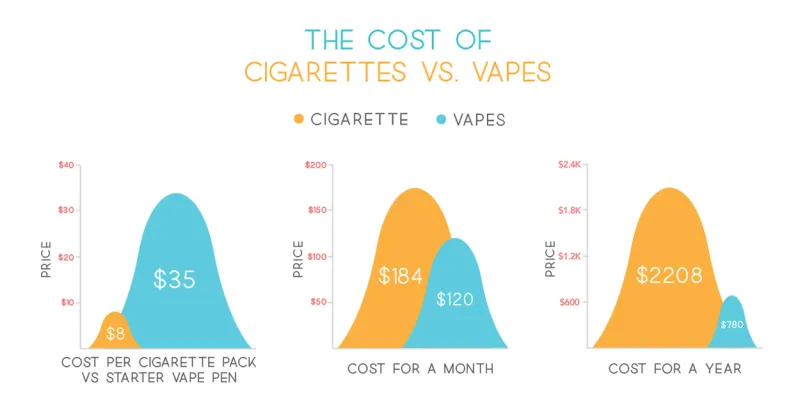
This doesn't have to be expensive. Buying a few 30ml bottles across different flavor families costs less than going back to your favorite juice every two weeks because you've killed your sensitivity to it.
Use a Reset Juice — Or No Juice at All
Many experienced vapers keep what they call a "palate cleanser" juice — typically something unflavored or very lightly menthol-forward — that they vape for a day or two when their primary flavors start feeling flat. The light, neutral sensation gives your olfactory receptors a rest without requiring you to stop vaping entirely.
If you can take a half-day or full-day break from vaping altogether, that works even better. Studies on olfactory recovery suggest that most mild sensory adaptation resolves within 24 to 48 hours of removing the triggering stimulus. Even a few hours without vaping can take the edge off.
Smell Coffee Beans (Yes, Really)
This one sounds like a folk remedy, but there's actual reasoning behind it. Sniffing coffee grounds between flavor tests is a practice borrowed from the fragrance industry, where it's used to "clear" the nose between samples. The theory is that the complex, distinct aromatic compounds in coffee engage your olfactory system in a different way, essentially interrupting the adaptation loop.
Does it work perfectly? The science is a bit mixed. But plenty of vapers swear by it, it costs nothing, and the worst case is you smell like a coffee shop for a minute. Worth trying before you toss a bottle of juice you spent good money on.
Adjust Your Setup, Not Just Your Juice
Sometimes the problem isn't purely biological — it's that your coil is worn out or your device is running at a wattage that's not delivering the juice optimally. A degraded coil can mask flavor complexity and make even a fresh bottle taste flat. If you've been running the same coil for three or four weeks and your flavor feels muted, swap it out before you blame your receptors.
Same goes for airflow. Tighter airflow concentrates vapor and often intensifies flavor perception. If you've been running wide open, try closing it down a bit and see if the profile comes back.
When Flavor Fatigue Is Telling You Something About Nicotine
Here's an angle that doesn't get enough attention: if you're chasing flavor satisfaction by vaping more frequently and it's still not working, it's worth asking whether nicotine tolerance is playing a role.
Nicotine doesn't directly affect flavor receptors, but it does affect the reward circuitry that makes vaping feel satisfying. As nicotine tolerance climbs, some vapers unconsciously compensate by vaping more often — which then accelerates olfactory fatigue. It becomes a loop: less satisfaction leads to more vaping, which leads to less flavor perception, which leads to even more vaping.
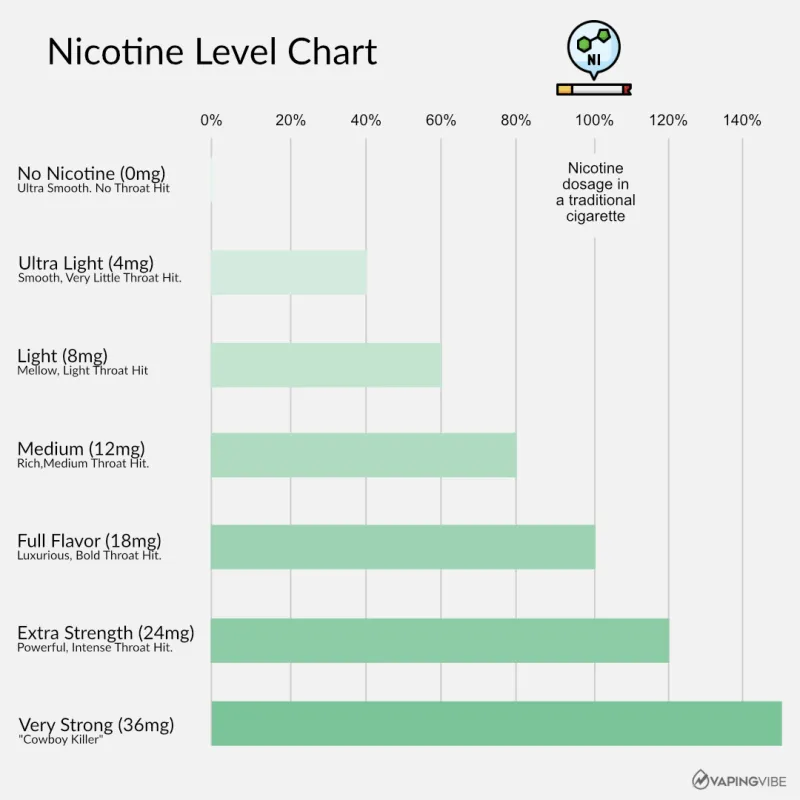
If this pattern sounds familiar, it might be a signal to reassess your nicotine level — potentially adjusting up slightly if you're under-serving your current tolerance, or intentionally stepping down if you're trying to reduce dependency. Either way, the flavor fatigue is a useful signal worth paying attention to rather than just pushing through.
The Bottom Line
Flavor fatigue is one of those vaping problems that feels mysterious until you understand the basic science — and then it makes complete sense. Your brain is just doing its job, tuning out the familiar. The fix isn't complicated: give your olfactory system some variety, take occasional breaks, stay hydrated, keep your gear fresh, and build a rotation that keeps things interesting.
Your favorite juice isn't broken. Your nose just needs a reason to pay attention again.