Same Box, Wildly Different Price Tag: What's Really Going On Between Local Vape Shops and Online Retailers
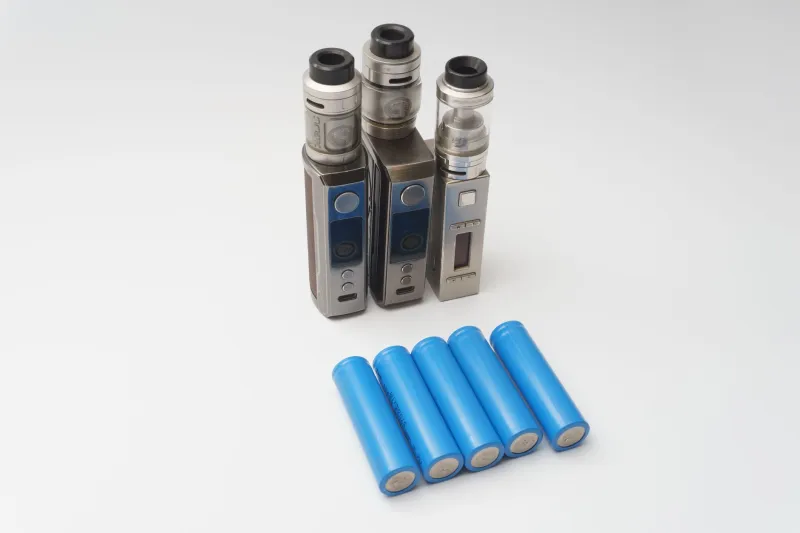
You're standing at the counter of your local vape shop, eyeing a mid-range pod mod you've been researching for weeks. The guy behind the counter quotes you $64.99. You pull out your phone, do a thirty-second search, and find the exact same device — same color, same kit contents — for $38 on an online retailer. You smile awkwardly, put your phone away, and wonder what just happened.
This scenario plays out in vape shops across the country every single day. And while it's tempting to chalk it up to local shops being greedy or out of touch, the reality is a lot more layered than that. There are real, structural reasons why pricing looks so different depending on where you shop — and understanding them can actually help you make smarter buying decisions.
The Overhead Reality Nobody Really Talks About
Running a physical retail space is genuinely expensive, and vape shops aren't exempt from that. Rent in most mid-sized US cities for a decent retail footprint runs anywhere from $2,500 to $8,000 a month depending on location. Add in utilities, insurance, point-of-sale systems, display cases, and the staff needed to actually run the place, and you're looking at a significant monthly nut that has to be covered before a single unit moves.
Online retailers, by contrast, often operate out of warehouses or fulfillment centers in lower-cost areas. They're not paying for foot traffic real estate, they don't need a showroom, and they can run leaner staff operations. That cost difference gets passed directly to the consumer in the form of lower prices. It's not magic — it's math.
A shop owner in the Denver area who asked to remain unnamed put it plainly: "I'm paying $4,200 a month in rent alone. I've got three employees. My margins have to be higher than an online warehouse doing volume in the millions — there's just no other way to keep the lights on."
Wholesale Relationships and Minimum Order Realities
Here's something most consumers never think about: not all retailers buy from the same suppliers at the same price. Large online retailers move enormous volume, which gives them serious negotiating leverage with distributors and sometimes even direct relationships with manufacturers. That leverage translates into lower per-unit costs.
Your local shop, meanwhile, might be ordering from a regional distributor, paying a middleman markup on top of the manufacturer's price. Or they might be purchasing in smaller quantities, which almost always means a higher per-unit cost. The device that costs an online mega-retailer $22 wholesale might cost a small shop $31 from their distributor. That gap has to go somewhere.
Some brands also maintain what's called minimum advertised price (MAP) policies — essentially rules that prevent retailers from publicly advertising below a certain price. But MAP policies aren't always enforced equally, and online-only retailers sometimes skirt them or operate through gray-area loopholes that brick-and-mortar shops typically can't or won't touch.
Exclusivity Agreements and Regional Distribution Quirks
This one surprises a lot of people. Certain brands cut exclusive distribution deals in specific regions, meaning a local shop might be the only authorized retailer for a particular product in their area. That exclusivity has value, but it also comes with less price competition, which naturally keeps prices elevated.
On the flip side, some online retailers source from international distributors or import directly, bypassing the domestic distribution chain entirely. This can result in significantly lower prices but occasionally comes with tradeoffs — longer shipping times, different warranty terms, or units that are technically intended for other markets.
The Experience Tax (And Why Some People Happily Pay It)
Let's be honest about something: walking into a well-run vape shop and getting hands-on help is genuinely worth something. You can handle the device, ask questions, get a coil replaced on the spot, or troubleshoot a leaking tank with someone who actually knows what they're doing. That service layer is real, and it's part of what you're paying for when you buy local.
For newer vapers especially, that guidance has tangible value. Buying a device online and then getting stuck because you can't figure out why it's spitting juice back at you — with no one to call — is a frustrating experience that plenty of people have paid the price difference to avoid.
That said, experienced vapers who already know exactly what they want and how to use it have less reason to pay the local premium. Knowing where you fall on that spectrum is useful.
Smart Strategies for Getting a Fairer Deal
So what do you actually do with all this information? A few practical moves:
Price match, but ask nicely. A surprising number of local shops will match or come close to online prices if you show them what you've found, especially on higher-ticket items. They'd rather make a smaller margin than lose the sale entirely. Don't be aggressive about it — just show them the listing and ask if they can work with you.
Buy consumables local, hardware online. Coils, pods, and juice are things your local shop can move fast and often price competitively. Hardware — mods, kits, tanks — is where the biggest gaps tend to show up. Splitting your purchases this way keeps your local shop in business while not burning yourself on major gear purchases.
Watch for local shop sales and clearance events. Shops need to move old inventory when new products arrive, and those clearance prices can rival or beat online listings. Following your local shop on Instagram or signing up for their email list is genuinely worth doing.
Vet online retailers before buying. The cheapest price online isn't always the best deal. Check that the retailer is US-based, has a real return policy, and actually stocks authenticated product. A few extra dollars to a reputable online retailer beats a gray-market device that voids any manufacturer support.
Consider the total cost. Shipping fees, the time spent waiting, and the inability to return something easily all factor in. For a $15 bottle of juice, ordering online rarely makes sense. For a $120 mod, it might.
The Bottom Line
The price gap between local vape shops and online retailers isn't mysterious or shady — it's the predictable result of completely different business models operating under completely different cost structures. Your local shop is paying for real estate, staff, and the ability to hand you something the same day you walk in. Online retailers are paying for logistics and volume.
Neither is inherently ripping you off. But knowing why the difference exists puts you in a much better position to decide when the premium is worth it and when you're better off clicking "add to cart" from your couch. That's not disloyalty to local business — it's just smart shopping.