Dialing In: How Heat Settings Actually Shape Your Vape Experience
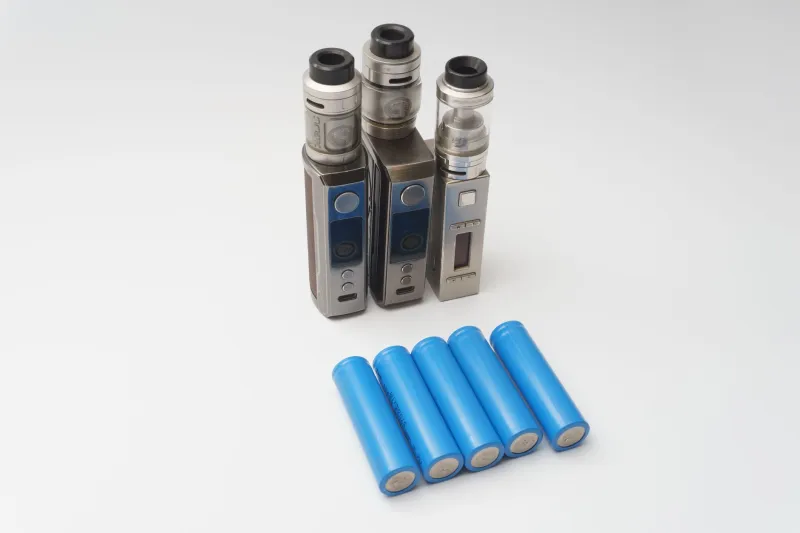
Let's be honest: most people buy a new device, punch in whatever wattage the coil packaging suggests, and call it a day. And hey, that's not the worst approach — you'll get something out of your setup. But if you've ever wondered why the same juice tastes completely different on a friend's device, or why your clouds feel thin even though your coil is brand new, the answer is almost always hiding in your heat settings.
Temperature control vaping and wattage management aren't just features for gear nerds. They're the actual levers that shape what ends up in your lungs — the flavor, the warmth, the vapor density, all of it. Getting this right doesn't require expensive trial-and-error. It just requires knowing what you're actually adjusting.
Wattage vs. Temperature Control: What's the Difference?
First, a quick clarification, because these two terms get mixed up constantly.
Wattage mode is the default on most devices. You're telling the mod how much power to send to the coil, and the coil heats up accordingly. The actual temperature is indirect — you're controlling input, not output. Most sub-ohm coils and standard setups live here.
Temperature control (TC) mode is different. It requires specific coil materials — usually nickel (Ni200), titanium (Ti), or stainless steel (SS) — that change electrical resistance in a predictable way as they heat up. Your mod reads those resistance changes in real time and cuts power to keep the coil at a precise temperature ceiling. You set a max temp (usually in Fahrenheit or Celsius), and the device enforces it.
For everyday vapers, wattage mode is totally fine. TC mode is worth exploring if you hate burnt hits, vape at high wattages, or want very consistent flavor across a long session.
Why Heat Changes Everything About Flavor
Here's something most people don't think about: e-liquid flavor compounds don't all vaporize at the same temperature. Some of the more delicate top notes — the fruity, floral, or citrus elements — come through best at lower temps. Crank the heat too high and those notes burn off fast, leaving you with a flat, sometimes harsh taste.
Richer, dessert-style flavors and tobacco blends often need more heat to fully express themselves. The caramel in a custard juice or the earthiness in a tobacco blend can taste muted and thin if you're running too cool.
This is why your setup matters so much when you switch juice. A tropical fruit blend that sings at 45 watts might taste like warm sugar water on the same coil cranked to 80 watts. And a creamy vanilla custard that's incredible at 65 watts might just taste like sweet steam at 35.
The Practical Wattage Ranges (And What They Actually Feel Like)
Here's a rough guide to what different wattage zones tend to deliver:
20–35 watts — This is the lower-power zone, typical for pod systems and mouth-to-lung (MTL) setups. Hits are cooler, tighter, and more cigarette-like. Flavor can be very clean and precise here. Nic salt juices shine in this range.
40–60 watts — The middle ground. You're getting warmer vapor, more visible clouds, and a broader flavor profile. Great for freebase nicotine at 3–6mg. Most versatile coils are happy here.
65–90 watts — Getting into direct-lung (DL) territory. Vapor is warm and dense, clouds are substantial, and flavor tends toward the bold and rich. You'll want lower nicotine concentrations here — 3mg or under, typically.
90 watts and above — High-performance sub-ohm territory. Huge clouds, intense warmth, serious juice consumption. If you're here, you already know what you're doing (or you're about to burn a coil and learn fast).
Finding Your Personal Sweet Spot Without Wrecking Coils
The classic mistake is starting too high. New coil, new juice, someone cranks it to 80 watts right out of the gate — and then wonders why it tastes burnt after three days.
Here's a smarter approach:
- Check the coil's recommended range. It's printed on the packaging or the coil itself. If it says 40–80W, start at 40.
- Go up in small steps. Try three to five draws at each wattage level before bumping up by 5 watts. Pay attention to warmth, flavor intensity, and throat hit.
- Stop when it starts feeling harsh. That edge of harshness is your ceiling. Back off 5 watts and you've found your zone.
- Adjust for the juice. Fruity or menthol? Stay on the lower end of your range. Custard, tobacco, or coffee? Try the upper half.
For TC mode users, a good starting point is around 380–420°F for most stainless steel coils. Adjust from there based on flavor preference.
Troubleshooting Common Heat-Related Problems
Burnt hits out of nowhere? Either your wattage is too high for your coil, your coil is running dry (wick isn't saturated), or your coil is just worn out. Drop the wattage first — if the burnt taste persists, it's time to swap the coil.
Weak, thin vapor even at higher wattages? Your coil might be flooded or you may be using a juice that's too thin (high PG ratio) for the wattage. Try a slightly higher wattage, make sure your airflow is open, and check that you're not over-priming.
Flavor tastes flat or muted? This is almost always a sign you're running too cool. Bump up 5–10 watts and see if the flavor opens up. Also worth checking: is your coil due for a replacement? Old coils muddy flavor regardless of wattage.
Harsh throat hit that won't quit? You're likely running too hot for your nicotine level. Drop the wattage, or consider a lower-nic juice if you're in the higher wattage ranges.
One Setting Vapers Almost Always Ignore
Airflow. It sounds separate from temperature, but it directly affects how hot your vapor feels when it reaches you. Tighter airflow means hotter, more concentrated vapor. Opening up the airflow cools things down and makes even a high-wattage hit feel more manageable.
If you've dialed in your wattage but the hit still feels too hot or too cool, try adjusting airflow before touching the wattage. It's the free adjustment most people skip.
The Bottom Line
Your heat settings aren't just technical specs — they're the primary controls for your entire vaping experience. Flavor, vapor production, throat hit, coil life — all of it runs through those buttons. The good news is that dialing them in doesn't take expensive equipment or weeks of experimentation. It takes about ten minutes of patient, step-by-step testing with any new setup.
Start low, go slow, and pay attention to what your palate is telling you. Your perfect hit is in there somewhere — you just have to turn the dial to find it.