Independent Vape Shops Are Disappearing Fast — What That Actually Means for You
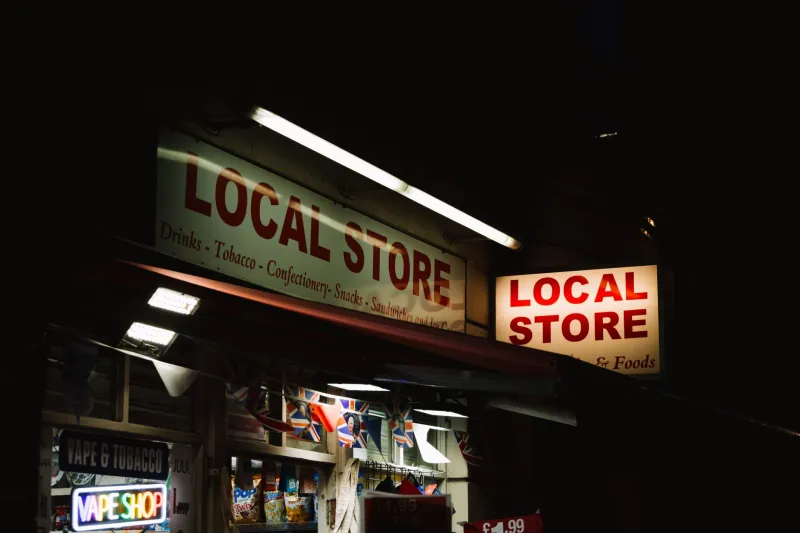
If you've driven past a strip mall lately and noticed another vape shop with brown paper covering the windows, you're not imagining things. Independent vape retailers across the country have been closing at a pace that's hard to ignore — and the ripple effects are landing squarely on everyday vapers who relied on those shops for gear, advice, and community.
This isn't just a slow-news story. It's a structural shift in how and where American vapers can actually access the products they use every day. And understanding what's behind it might help you get ahead of the inconvenience before it catches you off guard.
The Numbers Don't Lie
At its peak around 2018-2019, the US had somewhere north of 10,000 independent vape retail locations. Industry trackers and trade groups like the Vapor Technology Association have since pointed to a dramatic contraction. Estimates vary, but many analysts believe the number of operating independent shops has dropped by anywhere from 30 to 50 percent depending on the region — with states that have aggressive flavor bans or steep excise taxes seeing the steepest declines.
That's not a blip. That's a structural collapse of a retail segment.
What's Actually Pushing Shops Out
Talk to shop owners and you'll hear the same handful of culprits come up over and over again.
The regulatory burden is genuinely crushing. The FDA's Premarket Tobacco Application (PMTA) process — the pathway any vaping product must clear to stay legally on the market — has been an existential threat for small retailers. Manufacturers who couldn't afford the multi-million dollar application process pulled their products from shelves, leaving shops with shrinking inventories and confused customers. When the products disappear, so do the reasons to walk through the door.
State and local taxes have stacked up. Several states now levy excise taxes on vaping products that range from 30 to 95 percent of wholesale value. Minnesota, for example, has one of the highest in the country. When you add that to standard retail markup, a bottle of e-liquid that might cost $12 in a low-tax state can run $25 or more in a high-tax one. That price gap drives customers to online retailers or across state lines — and it bleeds local shops dry.
Big-box and online competition is relentless. Amazon, dedicated online vape retailers, and even convenience store chains carrying disposables have eaten into the foot traffic that small shops depend on. A shop owner in the Denver area — who asked not to be named because he's still technically operating — put it bluntly: "I used to sell 200 disposables a week. Now people grab them at the gas station on the way to work. I can't compete with that convenience."
Flavor bans have been a gut punch. When states or localities ban flavored e-liquids, it doesn't just reduce inventory — it eliminates the category that drives the majority of independent shop revenue. A shop in Massachusetts described losing nearly 60 percent of its liquid sales overnight when the state's flavor restrictions kicked in. "We tried to pivot to hardware," the owner said, "but the margins on devices aren't enough to keep the lights on by themselves."
What Gets Lost When a Local Shop Closes
Here's the part that tends to get glossed over in coverage of these closures: independent vape shops provided something that online retailers and gas stations fundamentally cannot — knowledgeable, personalized guidance.
For smokers trying to transition to vaping, or for vapers troubleshooting a leaky tank or a burnt coil, that in-person expertise is genuinely valuable. You could walk in with a problem and walk out with a solution. You could try a flavor before committing to a bottle. You could ask a real human being whether nic salts or freebase would work better for your setup.
When those shops close, that expertise evaporates. What replaces it is a Reddit thread, a YouTube video of questionable accuracy, or a customer service chatbot that doesn't know the difference between a sub-ohm tank and a pod system.
There's also a community dimension. For a lot of vapers — especially those who used vaping to quit smoking — the local shop was a social anchor. Regular customers knew each other. Staff remembered your preferences. That kind of relationship doesn't transfer to a checkout cart.
The Geographic Divide Is Getting Worse
Closures aren't evenly distributed. Urban and suburban vapers in major metro areas still have options — there are enough shops concentrated in cities like Chicago, Houston, or Atlanta that losing one doesn't leave you stranded. But in smaller cities, rural areas, and states with aggressive regulatory environments, closures can mean the nearest knowledgeable retailer is now an hour's drive away.
For older vapers or those without reliable internet access, that distance isn't trivial. It creates real access gaps that affect both product availability and the ability to get informed help.
How to Adapt Without Getting Burned
None of this means you're out of options — but it does mean being more proactive about how you source gear and information.
Build a relationship with a shop while you still can. If there's an independent shop near you that's still operating, become a regular. Ask questions. Learn what they carry. Shops that have loyal, engaged customer bases are more likely to survive the squeeze than those relying on walk-in traffic.
Get comfortable with reputable online retailers. The online vape market has matured significantly. There are well-established retailers with solid return policies, age verification systems, and deep inventories. Learning to navigate that world means you're not dependent on a single local source.
Stock up strategically on staples. If you've found a coil, a device, or an e-liquid you love, don't wait until you're out to reorder. Keeping a reasonable backup supply — not hoarding, just being smart — protects you from supply disruptions when a shop closes or a product gets pulled.
Stay plugged into the community. Subreddits, Discord servers, and forums dedicated to vaping are genuinely useful for staying on top of what's available, what's getting discontinued, and where to find alternatives. When a product disappears from your local shelf, someone online probably knows where it still exists.
Know your state's regulatory situation. Understanding what's legal to ship to your state, what taxes apply, and what flavor restrictions are in place helps you shop smarter and avoid unpleasant surprises at checkout.
The Bigger Picture
The wave of independent shop closures isn't going to reverse itself anytime soon. Regulatory pressure isn't easing, taxes aren't going down, and online competition isn't getting less convenient. What we're watching is a fundamental reshaping of how the American vaping market operates — from a locally-rooted, expertise-driven retail model toward something more fragmented and transactional.
That's not great news for the culture of vaping. But it doesn't have to mean worse outcomes for individual vapers who stay informed and adapt their habits accordingly. The products are still out there. The knowledge is still accessible. You just have to know where to look — and increasingly, that means looking beyond the storefront that may not be there much longer.