Gear Hoarder's Survival Guide: Taming Your Ever-Growing Vape Collection
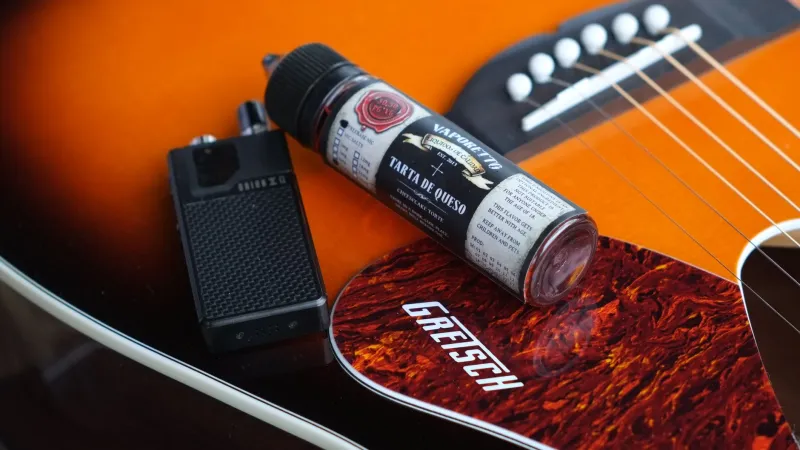
It starts innocently enough. One pod system. A backup mod. A few bottles of juice you grabbed on sale. Then suddenly you're digging through a kitchen drawer at 11 PM trying to find a coil that fits your tank, surrounded by mystery cables, a device you haven't touched in eight months, and four bottles that may or may not still be good.
Sound familiar? You're not alone. Vaping gear accumulates fast, and most of us never stop to think about how we're storing it — until something's leaking on something else, or we realize we just ordered a coil pack we already had two of.
Let's fix that.
Why Storage Actually Matters (It's Not Just About Tidiness)
Before we get into bins and labels, it's worth understanding why proper storage makes a real difference — not just for your sanity, but for the quality of your gear.
E-liquid degrades when it's exposed to heat, light, and air over time. A bottle sitting in a sunny windowsill or a warm car glove compartment is going to taste noticeably worse than one kept in a cool, dark spot. Nicotine oxidizes, flavor compounds break down, and what was once a crisp strawberry cream starts tasting flat and vaguely peppery.
On the hardware side, tanks left assembled with juice in them for weeks can have seals dry out, coils flood, and metal components corrode if the juice chemistry is rough on them. Devices stored loose in a bag with keys and change get scratched up, and loose batteries rattling around unprotected are a genuine safety concern.
Organization isn't just about knowing where stuff is. It's about making sure what you have is still worth using when you go to reach for it.
Step One: Pull Everything Out and Actually Look at It
This is the part nobody wants to do, but it's the only way to start. Dump out every drawer, bag, box, and shelf where vape stuff lives. Lay it all out on a table or the floor.
You're going to find things that surprise you — devices you forgot you owned, juice flavors you bought on a whim and never opened, coils for a tank you got rid of a year ago. That's fine. The point right now is just visibility.
Sort everything into rough piles:
- Active gear — the devices and juice you actually use regularly
- Backup gear — stuff you'd realistically reach for if your main setup had an issue
- Questionable items — things you're not sure still work, juice you're not sure is still good
- Dead weight — devices that are broken, juice that's clearly past it, gear for coils or pods you no longer use
Be honest with yourself during this step. That mod you keep saying you'll fix? If it's been sitting for six months, it's probably dead weight. The juice that smells weird when you crack the cap? Let it go.
Dealing with E-Liquid: The Storage Rules That Actually Hold Up
Once you've identified what juice you're keeping, store it right. The basics:
Cool and dark is the goal. A cabinet away from the stove, a drawer that doesn't get afternoon sun, or even the fridge (yes, really — it works great for long-term storage, just let bottles come to room temp before use). Avoid anywhere that gets warm regularly.
Keep bottles upright and sealed. Laying bottles on their side increases the surface area exposed to air inside the bottle. Upright and capped tight is the move.
Label anything that's lost its label. If you decant juice into a different bottle or the label has rubbed off, write the flavor and date on it with a permanent marker. You will not remember what it is in three months. Trust us.
First in, first out. Use older bottles before cracking new ones of the same flavor. Rotate your stock like a responsible adult who definitely doesn't have seventeen open bottles going at once.
Hardware Storage: Practical Solutions by Collection Size
Small Collection (1–3 Devices)
A simple two-drawer organizer from any home goods store does the job. One drawer for active gear — your daily driver, its charger, coils you're actively burning through. Second drawer for backups and accessories. Cheap, easy, done.
Medium Collection (4–8 Devices)
This is where a dedicated storage box starts making sense. Tackle boxes and craft supply organizers work surprisingly well — the adjustable dividers let you customize compartments for different device sizes. Keep tanks disassembled and dry if they're not in regular rotation. Store coils in their original packaging inside a labeled zip-top bag so you always know what ohm and what tank they're for.
A small binder with plastic card sleeves is weirdly useful here — you can keep user manuals, warranty cards, and purchase receipts organized and findable.
Large Collection (9+ Devices)
At this point, you need a system, not just a container. Consider a dedicated shelf or section of a closet. Clear stackable bins with labels work well — you can see what's inside without opening everything. One bin per category: pod systems, box mods, RTAs/tanks, accessories and cables, coils.
A simple spreadsheet or even a notes app list goes a long way. Record what you own, what condition it's in, and when you last used it. This sounds excessive until the third time you buy something you already had.
Coil and Pod Management: The Chaos Zone
Coils and pods are where most vape collections turn into a disaster. They're small, they multiply, and they're useless if they don't match your current hardware.
After your big sort-out, group coils and pods by the device they fit. Label the group, ideally with the device name and coil specs. If you have coils that don't match anything you currently own, either list them for sale in a vaping community group or toss them — they're just taking up space.
Set a rough par level for yourself. If you typically go through two coils a week, having eight to ten on hand is reasonable. Having forty-seven is a storage problem and a sign you've been over-buying on sale.
The Ongoing Habit That Keeps Things Under Control
Organizing once is great. Staying organized is the harder part. A few habits that actually stick:
- When you finish a bottle of juice, toss it immediately rather than leaving empties in the drawer.
- When you get new gear, spend five minutes putting it where it belongs rather than just setting it on a surface.
- Every couple of months, do a quick gut-check on what you're actually using. Anything that hasn't been touched in three months probably isn't going to be.
Your collection should work for you, not just pile up around you. A little structure goes a long way toward making sure every piece of gear you own is either in use, useful as a backup, or out the door.